Managing unwanted hair growth caused by hormonal changes

Hormonal Hair Growth

Hormonal changes can sometimes cause increased or unexpected hair growth in areas of the body where hair may not have previously been noticeable. For many people, this can affect confidence and daily routines. Laser hair removal can help manage hormonal hair growth by gradually reducing the amount, thickness and frequency of hair over time.

Hormones & Hair

How Hormones Affect Hair Growth

Hormones play an important role in controlling how much hair we grow, where it grows and how thick it becomes.

Certain hormonal conditions can lead to excess hair growth, a condition known as hirsutism, where hair appears thicker or darker in areas typically associated with male-pattern hair growth.

Common areas affected by hormonal hair growth include:

Face Chin Neck Chest Stomach Back of thighs Nipples Lower back Intimate areas

For many people, these changes can occur gradually and may become more noticeable over time.

Laser hair removal can help reduce this hair growth by targeting the hair follicle and gradually slowing the growth cycle.

Hormonal Conditions

Hormonal Conditions That May Cause
Excess Hair Growth

There are several conditions and life stages that may influence hair growth patterns.

PMOS (Polyendocrine Metabolic Ovarian Syndrome - formerly PCOS)

PMOS is one of the most common causes of excess facial and body hair. Raised androgen (hormone) levels can stimulate thicker, darker hair growth in areas such as the face, chin, stomach and chest. Many people with PMOS choose laser hair removal to help manage these changes and reduce the need for constant hair removal.

Endometriosis

Some hormonal treatments used to manage endometriosis can influence hair growth as a side effect, which may lead to increased facial or body hair in some people. Laser hair removal can help manage this over time.

Menopause & Perimenopause

As oestrogen levels fall during perimenopause and menopause, the balance of hormones can shift and lead to new hair growth, particularly on the chin, jawline and neck. Laser hair removal can help reduce this hair over time.

Postpartum Hormonal Changes

After pregnancy, hormone levels change significantly. While many people experience temporary hair shedding, some notice increased or persistent hair growth in areas such as the face or stomach. These changes often settle naturally, but laser hair removal can help manage any hair that lingers.

Medication-Related Hair Growth

Certain medications can stimulate hair growth as a side effect, affecting areas such as the face, neck or body. Laser hair removal can help reduce the appearance of this hair over time.

This information is general and not intended as medical advice. If you have concerns about hormonal changes or excess hair growth, please speak to your GP.

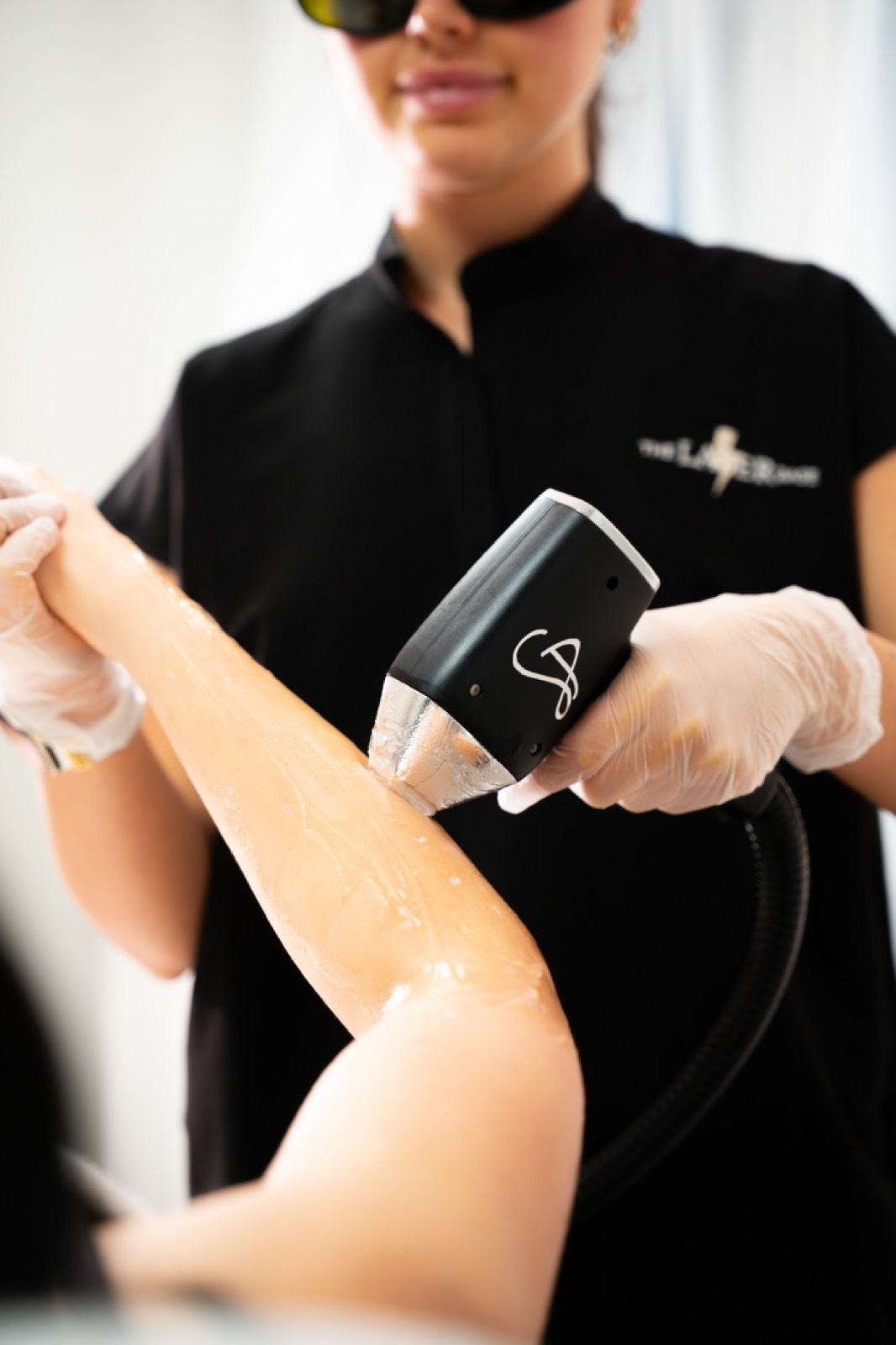
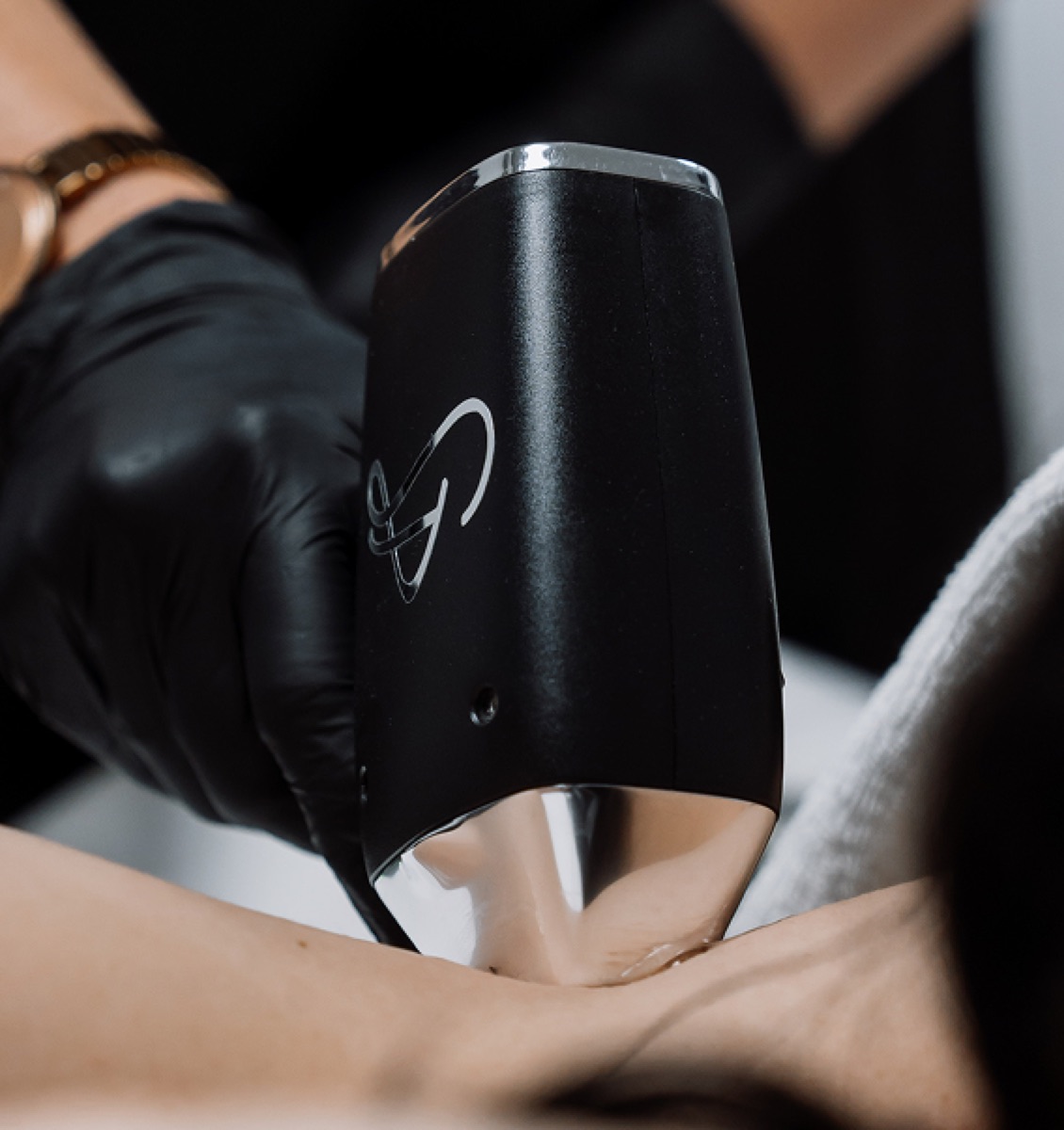
Intimate laser hair removal treatment at The Laser Base

How It Works

How Laser Treatments Help Manage Hormonal Hair

Laser hair removal works by targeting the pigment in the hair follicle. Over time, repeated treatments reduce the number of active hair follicles in the treated area.

For clients with hormonal hair growth, laser treatments can help:

  • Reduce the thickness of hair
  • Slow the rate of hair growth
  • Reduce the number of active hairs
  • Improve skin comfort by reducing ingrown hairs and irritation

Because hormonal hair growth can be influenced by ongoing hormone changes, some clients may require maintenance treatments over time.

What to Expect

Understanding Hormonal Hair Growth

Hormonal hair growth can sometimes be more persistent than other types of hair growth.

While laser hair removal can significantly reduce hair, it may not always eliminate every hair completely when hormones continue to stimulate new growth.

For this reason:

  • Treatment plans may involve more sessions initially
  • Maintenance treatments may be recommended to manage regrowth
  • Results vary depending on hormonal activity and individual hair growth patterns

Our technicians will explain realistic expectations during your consultation.

Suitability

Will It Work On Your Hair?

Laser targets pigment in the hair follicle. Here's what works best:

Suitable Hair Types

Best results
  • Black hair
  • Brown hair
  • Dark blonde hair
  • Dark red hair

Mixed hair colours? Laser will pick up hairs with enough pigment and leave any without behind. Most clients see excellent results even with some lighter hairs.
Not Suitable

Insufficient pigment
  • Grey/white hair
  • Bleach blonde hair
  • Light red hair
  • Very fine vellus hair

These hair types lack the melanin required for laser to effectively target the follicle. Electrolysis may be a better alternative for non-pigmented hair.

Our Technology & Skin Types

Advanced Laser Technology
for All Skin Types

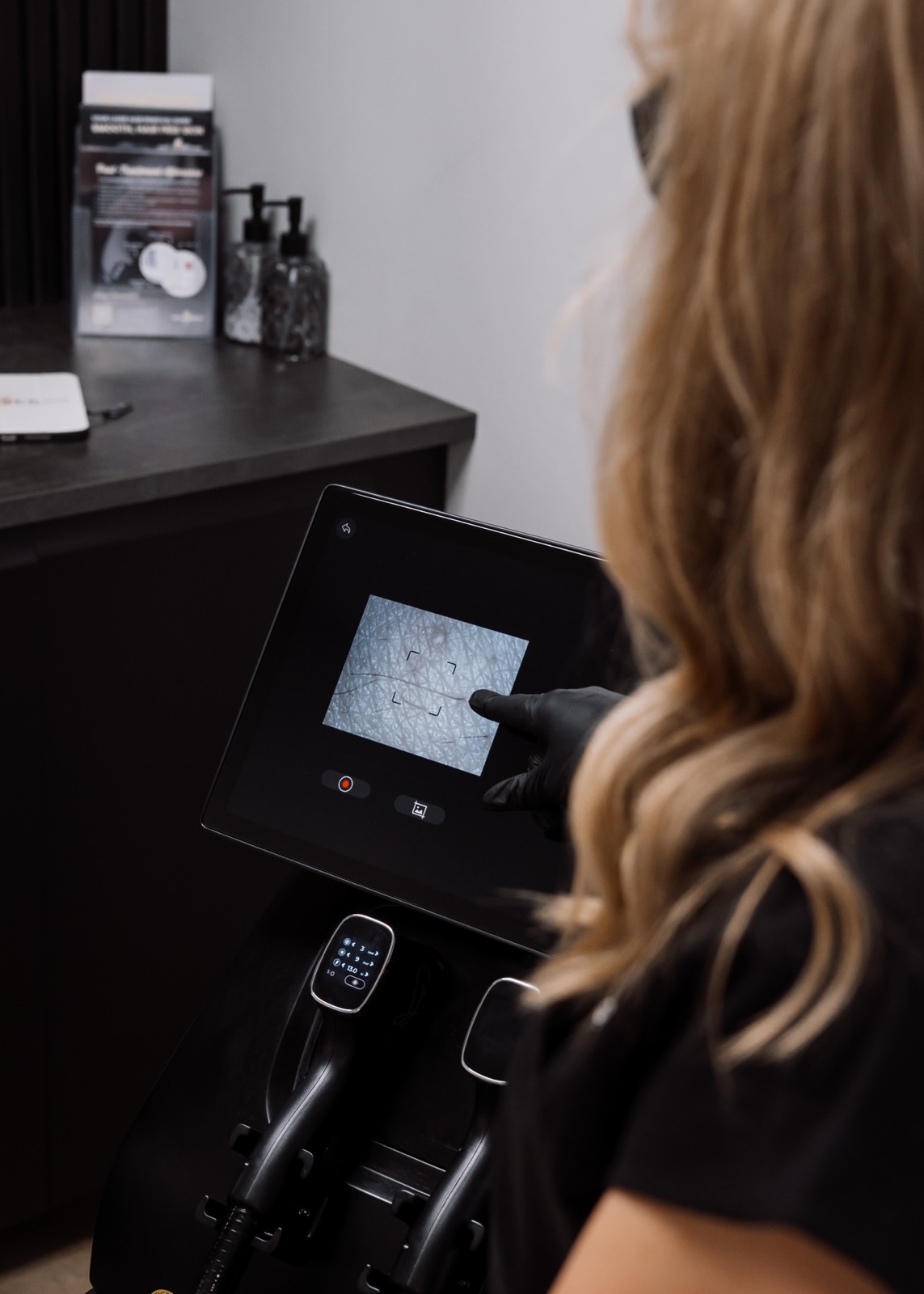
At The Laser Base we use advanced triple wavelength laser technology, designed to safely treat a wide range of skin tones. This allows our technicians to safely treat all skin types on the Fitzpatrick scale while targeting hair at different depths within the skin. Before treatment we also use a hair and skin scanner to analyse your skin and hair type, ensuring the laser settings are personalised for the safest and most effective results.

Our diode platform combines three laser wavelengths:

755nm

the alexandrite system wavelengthLighter skin

Ideal for lighter skin tones and fine to medium hair

810nm

the diode wavelengthAll skin types

Suits the widest range of skin and hair types, and is the wavelength we use most

1064nm

the Nd:YAG system wavelengthDarker skin

Safe for darker skin tones, deepest penetration

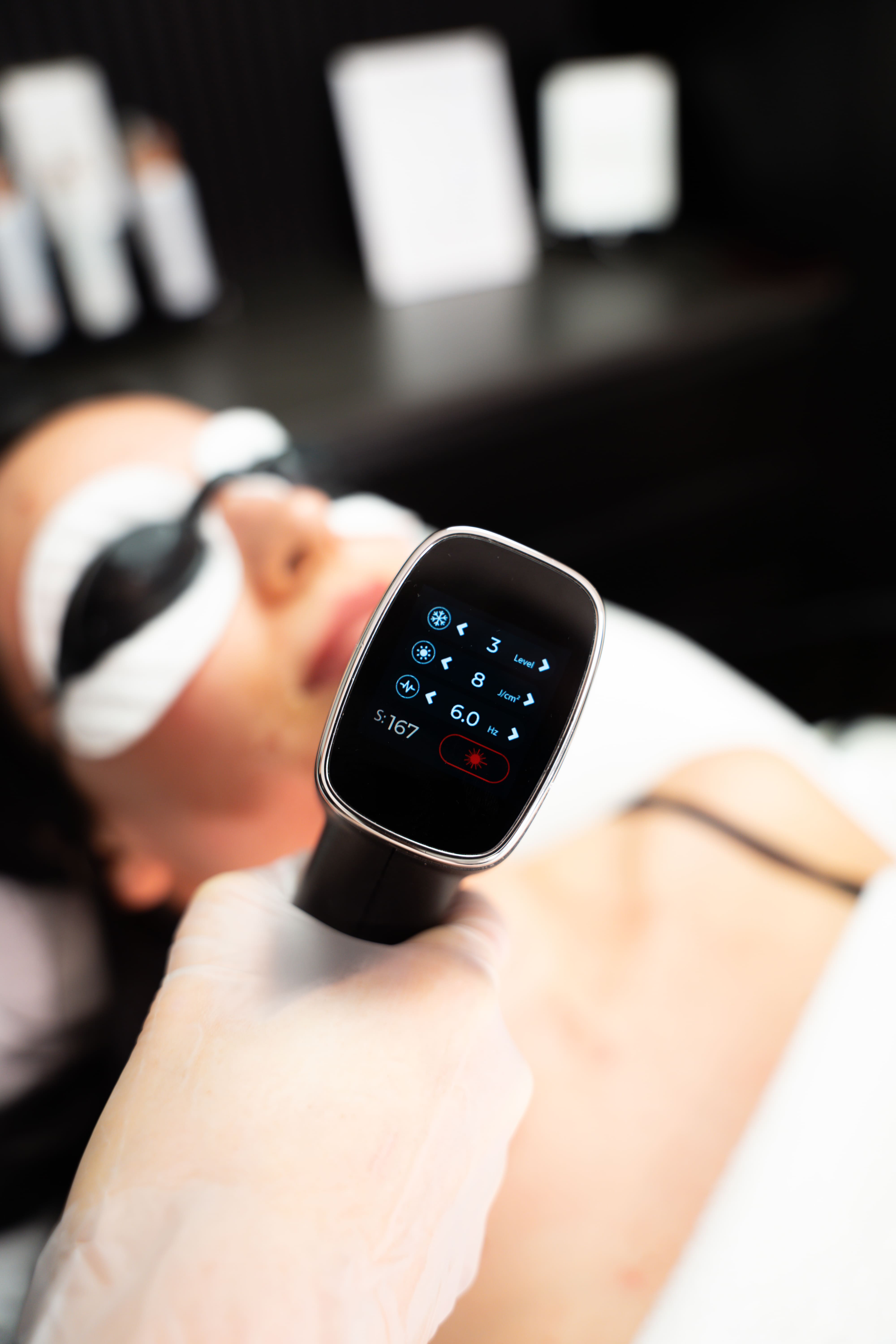
Practitioner adjusting the triple wavelength laser handpiece settings

Comparison

Laser vs Traditional Hair Removal

Many people managing hormonal hair growth rely on frequent waxing, threading or shaving. Laser hair removal offers several advantages:

Reduced Irritation

Laser can help reduce skin irritation caused by repeated hair removal.

Reduced Ingrown Hairs

Laser treatments can significantly reduce ingrown hairs.

Long-Term Hair Reduction

Hair gradually becomes thinner and grows back less frequently.

Less Frequent Maintenance

Rather than constant waxing or shaving, many clients transition to occasional maintenance treatments.

Get Started

Book Your Consultation

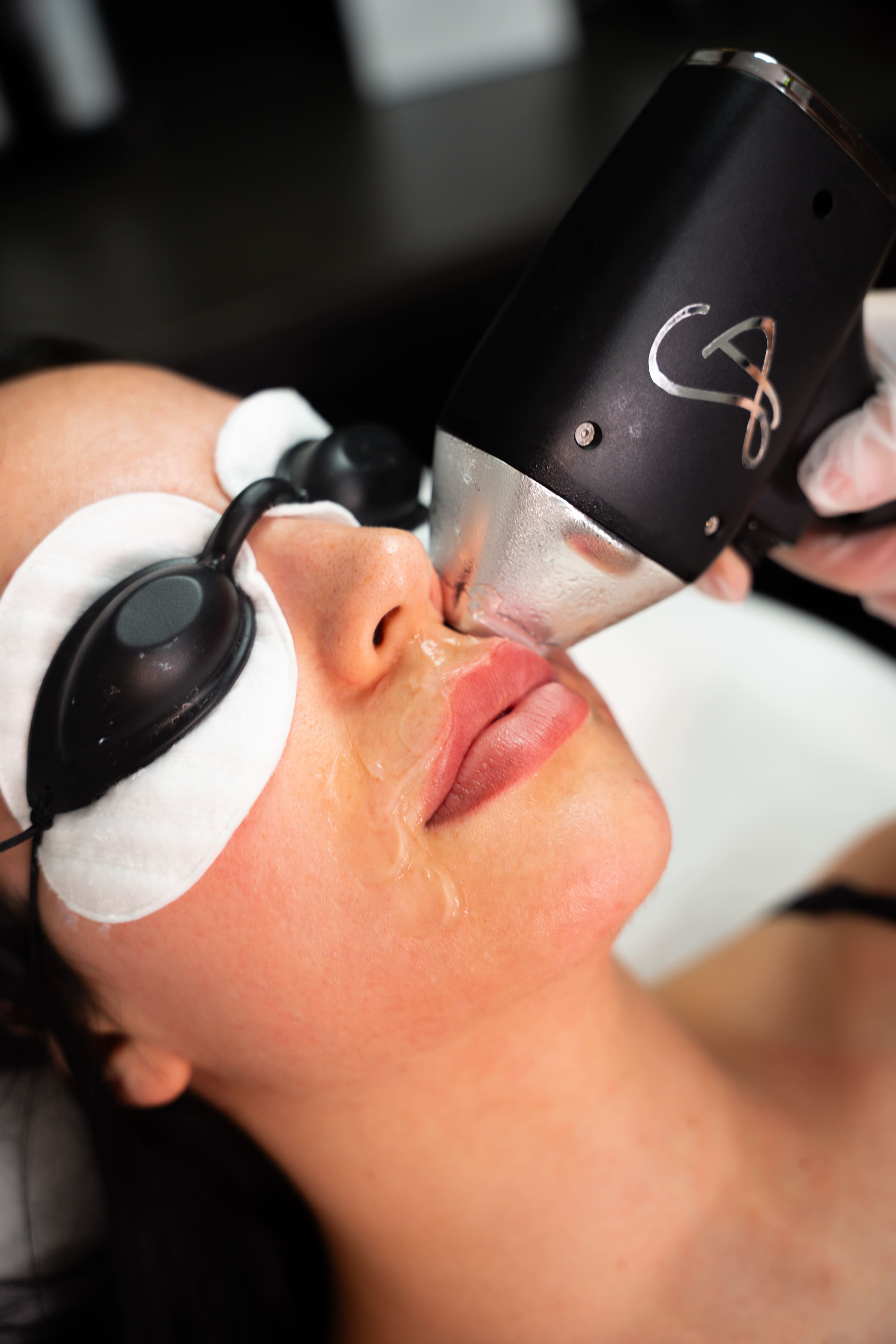
The Laser Base in action