

The Perimenopause Chin Hair Nobody Warns You About
What's happening and what actually helps
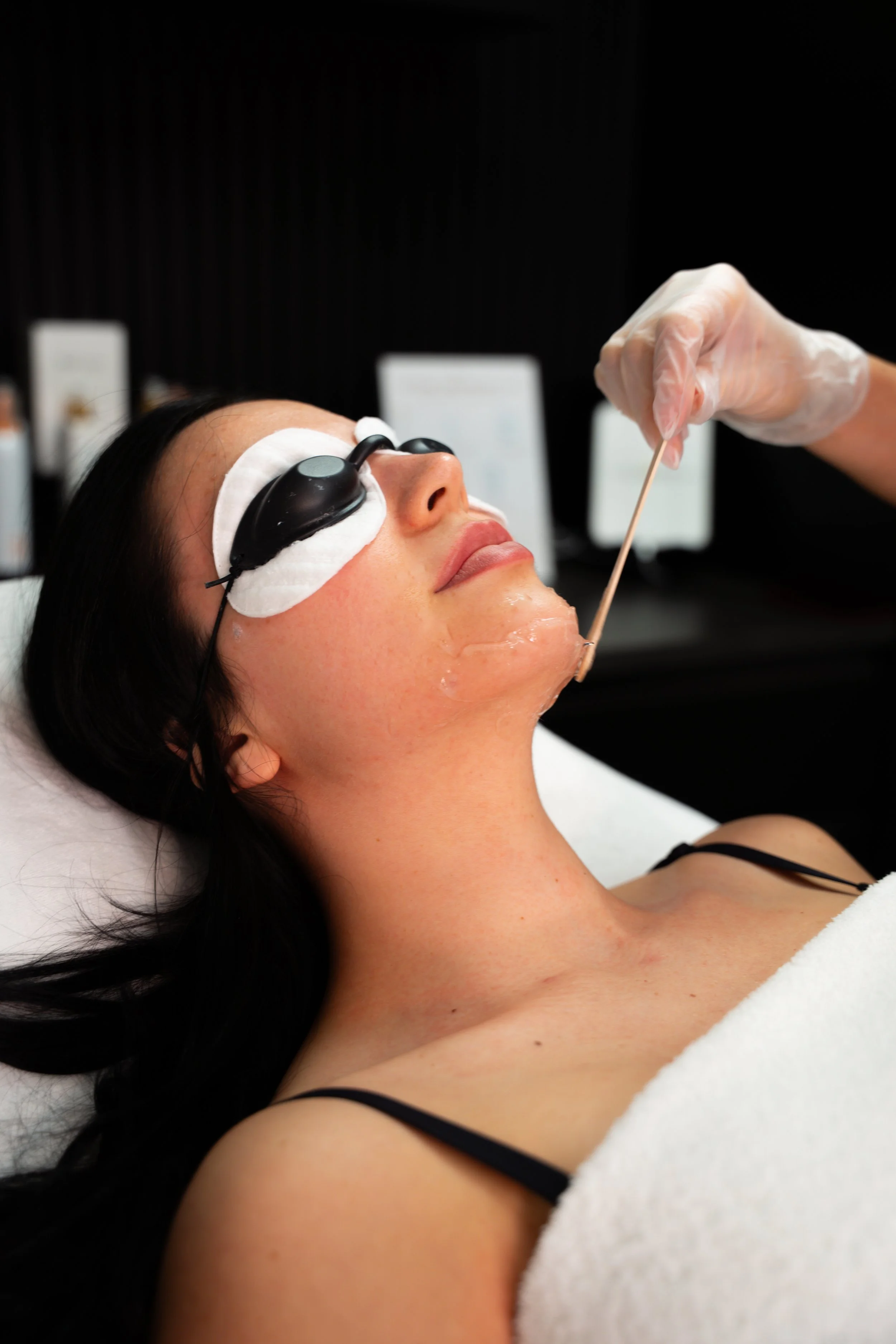
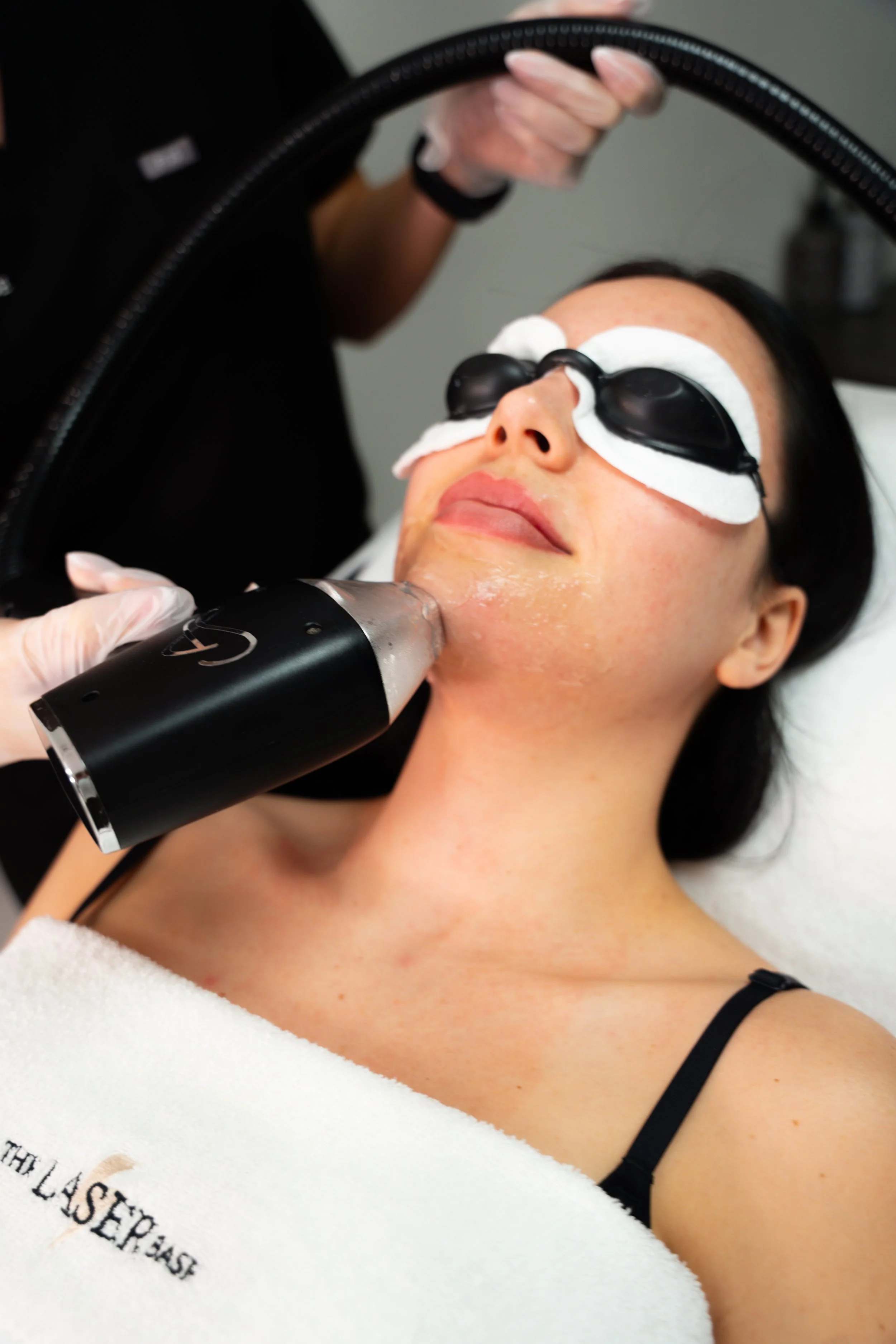
You're 42. You catch sight of yourself in the car mirror at traffic lights. And there it is — a single, wiry, defiantly dark chin hair that absolutely was not there yesterday. Welcome to perimenopause.
If you've been Googling 'why am I getting chin hair' or quietly plucking new arrivals in your rear view mirror, you're not alone. According to research published in the British Journal of Dermatology, 39% of postmenopausal women report noticeable new facial hair growth, with the chin the most common area. And it starts long before menopause proper, often in your late 30s or early 40s. Nobody warns you. Nobody talks about it. And when they do, the advice is usually threading or plucking — which frankly does not solve the problem. So let's talk about what's actually going on, and what genuinely helps.
Perimenopause is the transitional phase before menopause. It typically begins in your late 30s to mid-40s and can last up to a decade. During this time, your oestrogen levels start to decline, but your testosterone (yes, women have this too) largely stays the same. The result: your body's oestrogen-to-testosterone ratio shifts, and the testosterone effects become more pronounced. That's what causes new coarse, dark hairs on the chin, jawline and upper lip. It's why the fine peach fuzz on your face can become thicker terminal hair, darker and more visible. It's why existing facial hair becomes more prominent as it deepens in colour. And ironically, it's often why you notice less body hair — because underarm and pubic hair growth can slow at the same time.
If you also notice these hairs are wiry, curly, and grow back within days of plucking, that's classic androgen-driven growth. It's biologically normal. It's also completely reasonable to want it gone. Here's where the old advice fails you. Plucking traumatises the follicle and can actually stimulate coarser regrowth. Threading and waxing remove the hair but leave the follicle intact and productive underneath. Shaving doesn't make hair thicker, but it does mean constant maintenance. And bleaching just turns coarse dark hair into coarse blonde hair — still visibly there in the wrong light. The follicle is the source of the problem, and anything that doesn't disable the follicle is a temporary fix.
This is where laser hair removal comes in. Laser targets the follicle directly. The pigment in the hair absorbs the laser energy, converts it to heat, and disables the follicle underneath. Over a course of sessions, that follicle produces less and less hair — and eventually, in most cases, none at all. For perimenopausal facial hair specifically, the dark coarse hairs are ideal targets: they respond better to laser than fine or fair hair. The most treated areas at our clinics are chin, upper lip, sideburns and jawline, and they're quick — often under 15 minutes per session.
One honest caveat. Hormonal hair growth is ongoing, so most clients need slightly more sessions than average, plus occasional top-ups to maintain results. This is normal, not a failure of the treatment. Being honest about HRT or any endocrine condition helps us plan your course properly, so if you're mid-perimenopause, on HRT, or have PMOS (recently renamed from PCOS), do tell us at your consultation.
One thing worth flagging: laser doesn't work on vellus hair — the fine, downy peach fuzz — because there isn't enough pigment for it to target. If your issue is only fine peach fuzz, laser isn't the right answer. But most perimenopausal facial hair concerns are about the new coarse, dark hairs, and those laser handles brilliantly. Even if you've got a mix, we can target the coarse ones and leave the fine ones alone.
We see this every single week. You're not the first, and you're absolutely not being vain. Facial hair changes during perimenopause are a real, hormonal event — and there's no reason to just accept them if you don't want to. Our Lumiere Elite triple wavelength laser is safe for every skin tone (all Fitzpatrick types), and our team has treated hundreds of clients through the perimenopause and menopause transition.
Every laser journey starts with a consultation — come and speak to one of our experts at our Harrogate or Manchester clinic. We'll assess your hair, your skin, and we'll be honest about what a course of laser will (and won't) achieve for you.
The Laser Base
5⭐ Laser Hair Removal Clinic
Safe. Effective. For All Skin Types.
Triple Wavelength Technology.
Trusted Laser Verified.
📍 Clinics in Manchester & Harrogate